



Bio-based plastic packaging under PPWR: EU study sparks debate over recyclability & toxicity
The Publications Office of the EU has published a study co-authored by the German Nova Institute concluding that bio-based plastic packaging can support the climate-neutrality goals of the Packaging and Packaging Waste Regulation (PPWR). In response, advocacy groups ECOS, Rethink Plastic Alliance, Fern, and the Environmental Paper Network have addressed a letter to the European Commission’s Directorate-General for Environment (DG ENV) calling for alignment between the EU’s bio-based plastics policy and its circular economy objectives.Compostable packaging advances as brands adapt to regulatory shifts
The global packaging market is moving away from fossil-based materials toward circular alternatives, such as compostable packaging. However, the path to a sustainable future is not uniform, and the definition of compostable packaging is expanding. Packaging Insights speaks to Avebe, NantBioRenewables, and Sulapac on how they are balancing environmental footprints with process compatibility and commercial viability.KHS advances material reduction with adhesive multipacks and tray shrink alternatives
Amid ongoing demand for optimized packaging solutions for material reduction, Peter Brücker, head of the KHS packaging technology product center in Kleve, Germany, highlights the company’s Innopack Kisters TSP Advanced packer with newly developed BottleClip option, and the KHS Nature MultiPack solution. Brücker also discusses supply chain optimization and software solutions. The Innopack Kisters TSP Advanced combines maximum flexibility and efficiency with ease of operation and progressive automation technology. For Interpack 2026, KHS has added a new packaging option to its established packer that packs beverage cans as well as PET and glass bottles on trays and pads and in film. Protein packaging reinvented
Innova Market Insights data reveals that consumers find packaging very important when choosing meat & dairy product launches. Standard tray & flat pouch were the leading packaging, while cup emerged as the packaging with the fastest rise in innovation. Biobased material for protein launches had 21% growth from April 2021 to March 2026, opening the path for new packaging opportunities.A Science Based Look at Fluorination and PFAS.
Are all fluorinated packaging technologies created equal? Or are we oversimplifying risk? Greif examines how process chemistry, particularly oxygen control, fundamentally shapes PFAS outcomes. Backed by validated data and scientific rigor, this paper reframes barrier selection for regulators, engineers, and decision-makers seeking compliant, high-performance packaging solutions.This Technical Paper is brought to you by Greif.Inside 85 Years of CRYOVAC® Innovation: Interview with Neil Dunn, Vice President of the EMEA Food Division at Sealed Air
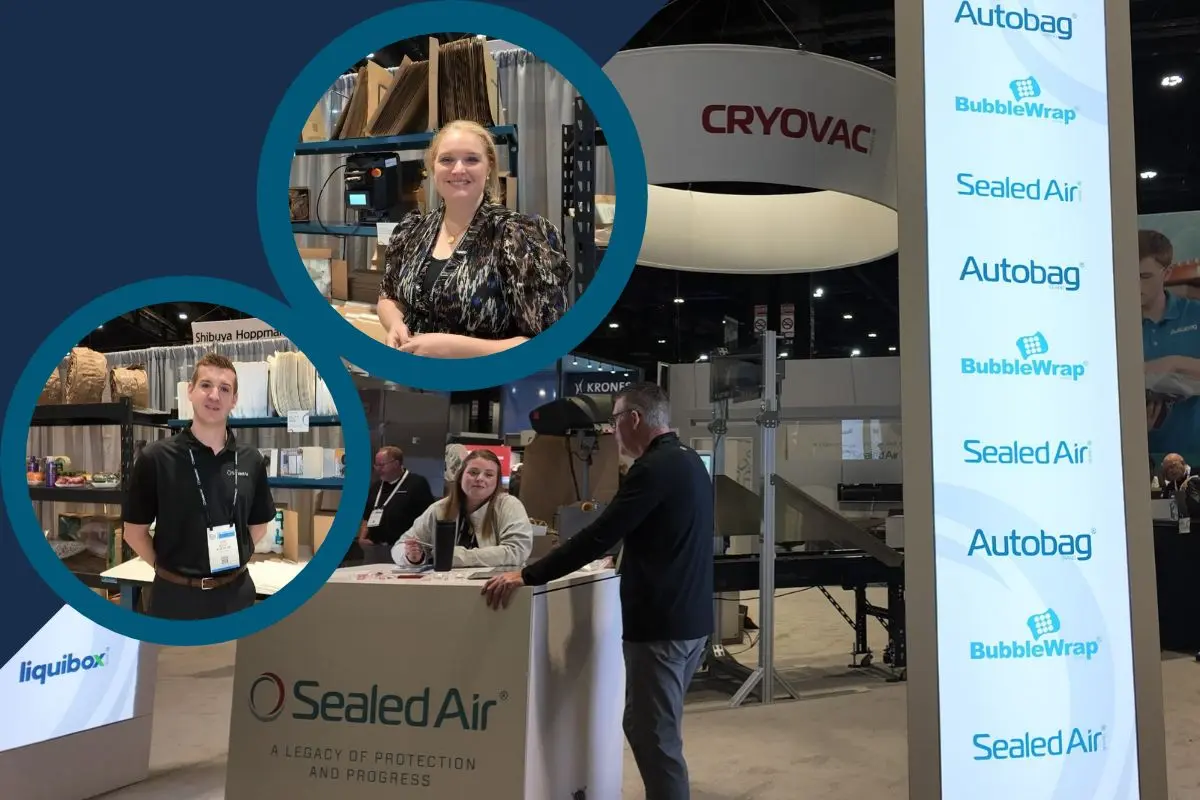
2026 marks 85 years since the CRYOVAC® brand trademark was filed – a move that helped bring vacuum packaging to the world and shape today’s food industry. Neil Dunn, Vice President of the EMEA Food Division at Sealed Air, explains how innovative materials, systems and technical expertise have defined the CRYOVAC® legacy and continue to solve critical food industry challenges.Settings
- Play Interval
- Slide Duration
- Thumbnail Bar Position

Latest headlines
View more

Highlighted features

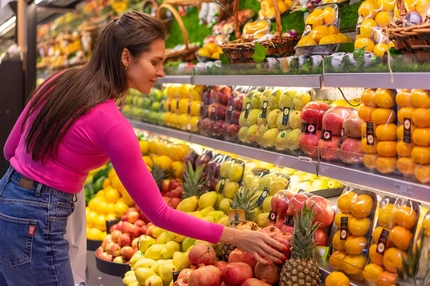
Food waste fighters Jun 2026

Protein packaging reinventedJun 2026
Multimedia
View more
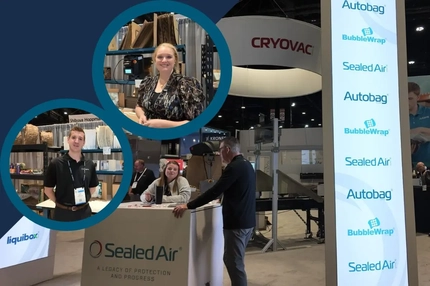
Interpack 2026: Sealed Air showcases vacuum packaging solutions for a changing market
At Interpack 2026, Sealed Air presented its Darfresh vacuum skin packaging range, designed to extend shelf life while reducing plastic use by up to 40%. Senior sales director Efrahin Avila Garcia discussed cost-efficiency, regulatory compliance, market volatility, and the future of sustainable...
Subscribe to our newsletters
By continuing to browse our site you agree to our Privacy Statement