



May in review: Industry gathers at Interpack 2026, California approves SB 54 despite criticism


Key takeaways
- Interpack 2026 highlighted packaging innovations focused on supply chain resilience, regulatory readiness, monomaterial flexibles, and food waste reduction.
- California approved the SB 54 EPR law to reduce packaging waste and increase plastic recycling, although the regulation continues to face legal and industry scrutiny.
- Geopolitical tensions and supply chain disruptions affected packaging markets globally, influencing material choices.
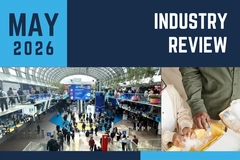
Last month, Packaging Insights attended Interpack 2026 in Düsseldorf, Germany, where packaging industry experts highlighted supply chain resilience and regulatory readiness as important ongoing developments. On the show floor, we also spoke to industry representatives about the latest innovations in monomaterial flexible materials and food waste reduction.
In the US, California approved the long-awaited and highly contested SB 54, an EPR law aiming to boost plastic circularity and reduce the environmental effects of the packaging industry, but the final text of the regulation still faced criticism from non-governmental groups.
Meanwhile, supply chain disruptions caused by the US-Iran conflict continued to obstruct packagers in different corners of the world, affecting packaging choices in Japan and India.
We look back at the biggest stories of the month.

California approves SB 54 law to curb plastic packaging waste
The US state of California’s Office of Administrative Law approved the Plastic Pollution Prevention and Packaging Producer Responsibility Act, known as the SB 54 EPR law, and filed it with the Secretary of State, bringing it into effect. The law’s targets include 25% reduction in packaging waste and 65% recycling of single-use plastics.
California SB 54 faces legal challenge amid mixed industry reactions
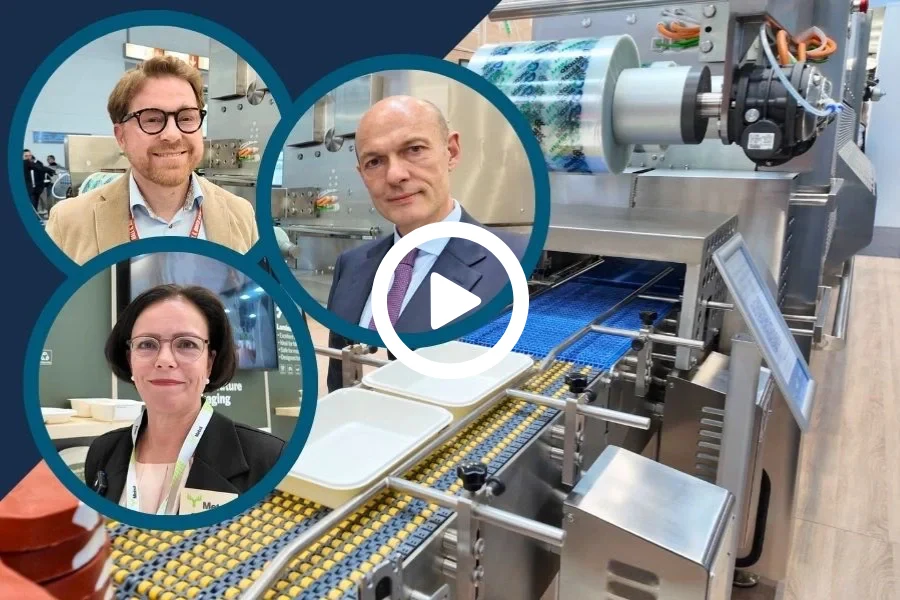 Interpack 2026: Amcor, G. Mondini & Metsä Spring talk joint fiber-based tray project.California’s landmark SB 54 EPR law faced legal scrutiny from environmental NGOs, who argued it undermines the law’s initial recycling and plastic reduction goals. The Natural Resources Defense Council (NRDC) and Californians Against Waste are challenging the law in court. They argue the state agency responsible for administering and implementing SB 54 acted beyond its mandate.
PRSE 2026 live: Supply chain pressure and AI sorting tech dominate
Ongoing economic pressures, system efficiency, and resilience amid supply chain volatility were central themes at this year’s Plastics Recycling Show Europe (PRSE) in Amsterdam, the Netherlands (May 5–6), Matt Barber, global events director for PRSE, told us. Innovations in sorting, AI-driven systems, and digital traceability also emerged as key topics at the event.
Interpack 2026 review: Packaging industry innovates for resilience & regulatory readiness
At Interpack 2026, 2,899 companies representing the entire packaging value chain showcased their latest solutions to 270,899 visitors from 169 countries, as industry players cope with the strain on global supply chains and increasingly strict packaging regulations. Companies highlighted resilience through global partnerships and material-agnostic approaches to meet regulatory requirements.
Interpack 2026: EU PPWR drives monomaterial flexibles innovations
Monomaterial flexible packaging crossed a threshold at Interpack 2026. Suppliers showed single-polymer structures capable of replacing multi-layer laminates in the industry’s most technically demanding applications. The flexibles industry has split along two polymer paths: PP and PE. European brand owners are leaning toward PP while North American converters are signaling a stronger interest in PE. The split is reshaping film-line capital planning across the supply chain.
Japan’s F&B packaging sector struggles with cost and shortages amid Middle East conflict
F&B companies in Japan are facing shortages of materials used in manufacturing plastic packaging due to supply disruptions linked to the US-Iran war. This led to changes in packaging designs and rising costs for products. The country’s snack giant Calbee temporarily switched to black and white packaging for certain products due to the supply instability of colored ink.
Coca-Cola India revives Diet Coke glass bottles amid aluminum supply concerns
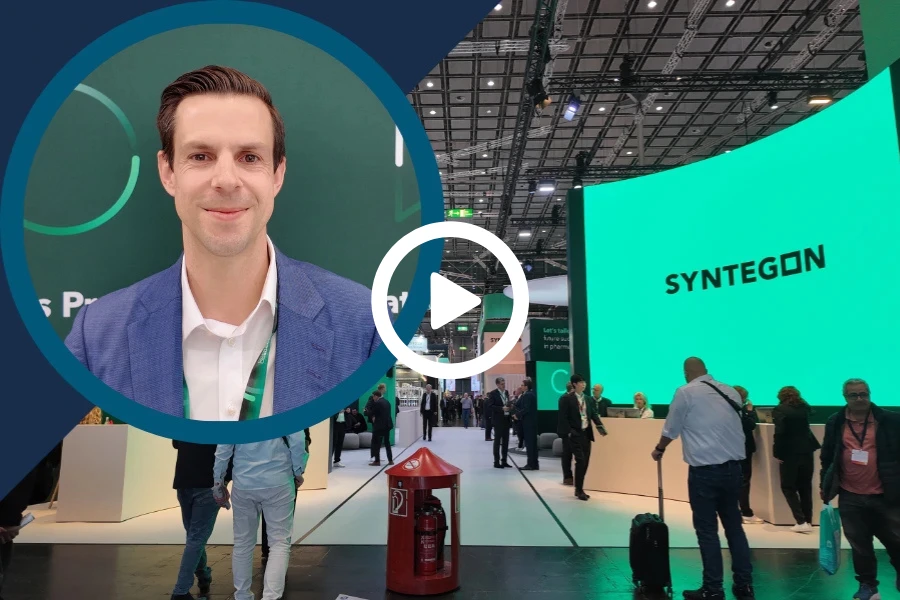 Interpack 2026: Syntegon launches aseptic liquid filling line for pharma.Coca-Cola reintroduced Diet Coke in 200 mL glass bottles across India, sparking consumer debate over premium pricing as the six-pack hit shelves at a higher cost. The glass bottles are seen as a strategic alternative to aluminum cans amid supply disruptions, according to a local fintech expert. The shortage was linked to India’s lack of domestic can-body stock production, underscoring structural vulnerabilities in beverage packaging supply chains.
Interpack 2026: WPO tackles food waste, packaging waste trade-off and “wishcycling”
The global packaging industry is making progress on recyclability and monomaterial design, but is still failing to grapple with the harder trade-off between packaging waste and food waste, according to Nerida Kelton, the vice president of sustainability and safe food at the World Packaging Organisation (WPO). At Interpack 2026, we sat down with Kelton, who revealed that EPR regulations are now shaping packaging decisions in every region of the world.
PPWR’s August deadline under pressure as leaked industry letter draws NGO backlash
A leaked letter signed by 138 F&B companies and addressed to the European Commission urged the delay of the August 12 implementation date for the EU Packaging and Packaging Waste Regulation (PPWR) to ensure “legal certainty, proportionality, and the proper functioning of the Single Market.” Environmental and health NGOs and companies sent a response condemning the letter.
Geopolitical tensions could fuel shift to aluminum packaging, says Meadow CEO
The Strait of Hormuz crisis revealed the critical role of circular materials like aluminum, as well as localized supply chains, said Victor Ljungberg, co-founder and CEO at Meadow. He argued that the packaging industry is at an “inflection point” in which the reason to move away from plastics is not just sustainability, but also cost-effectiveness.
Europe’s circular plastics transition “ground to a halt,” warns industry report
A report by Plastics Europe revealed that the transition to a circular plastic economy decreased “dramatically” in 2024. It outlined that, amid increasing global competition and weak investment opportunities, 15.8% of Europe’s total plastics production was circular. Craig Arnold, vice president at Plastics Europe, told us that Europe’s circular plastics transition is constrained by the economic conditions, not ambition.